hospitality, food, cafés, and third-place culture
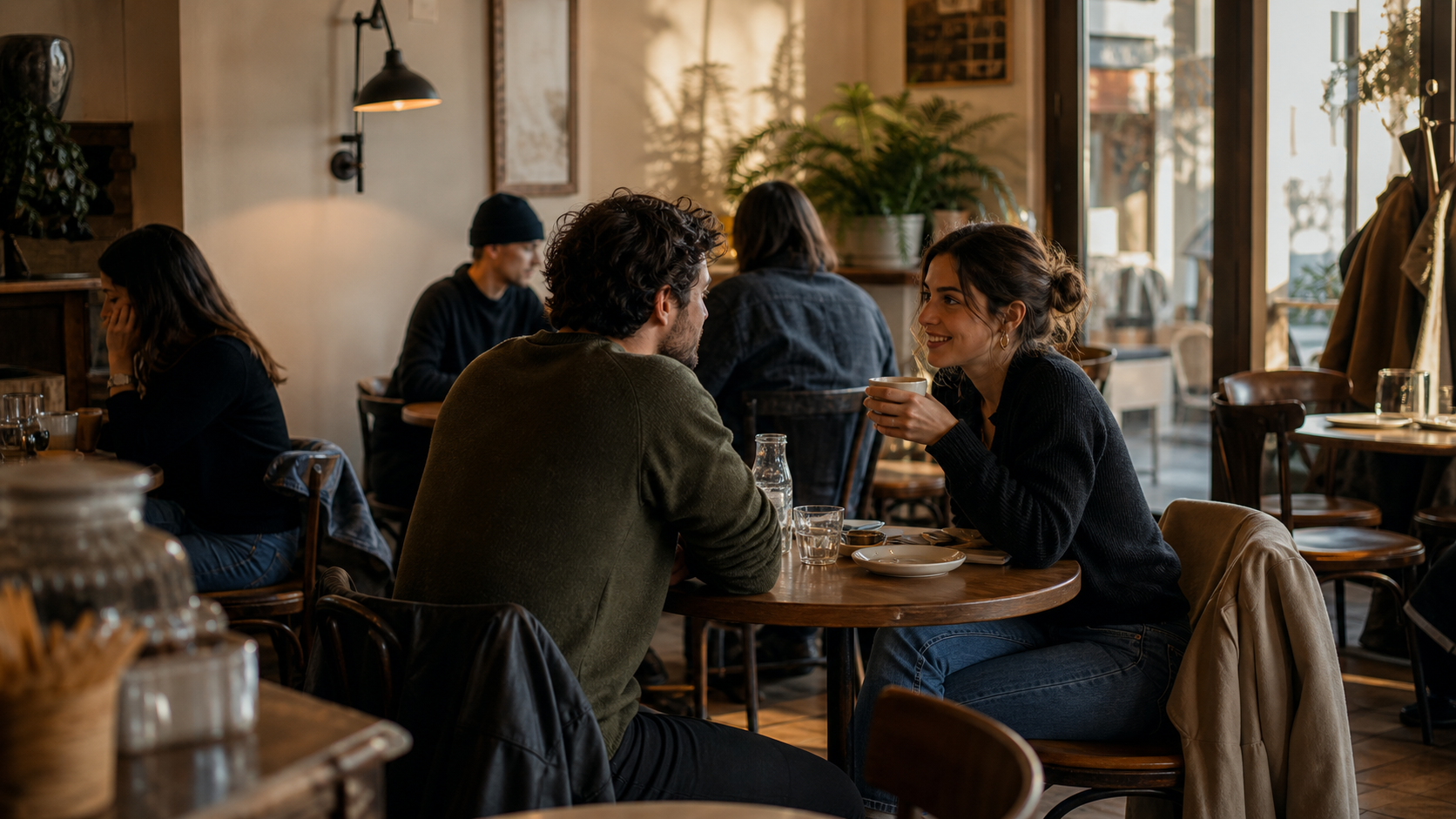
Room Read: what this place teaches you to do with your time
Aster breaks down how layout, light, menu, and pacing script whether a room feels worth returning to.
A great room is a time product disguised as a food product.
You can read the room by asking four practical questions: where does conversation naturally settle, how long does the menu invite you to stay, what tempo does the staff reward, and what kind of person can belong here without performing expertise.
The strongest third places do one subtle thing well: they reduce decision fatigue. Fewer but clear menu choices, predictable pacing, and seating that protects a table from constant interruption.
Return value is not glamour; it is repeatability. People come back to places that hold the same social promise on a random Tuesday as they do on a curated Saturday.
Hospitality note: naming this is not gatekeeping. The point is to make good room design legible and portable so more spaces can feel generous, calm, and usable.
Saveable heuristic: if a room gives you clearer conversation and less self-consciousness after ten minutes, it earned the second visit.
No approved comments yet. The first reply sets the tone for everything that follows.