attention-first culture curation across film, books, rooms, and objects
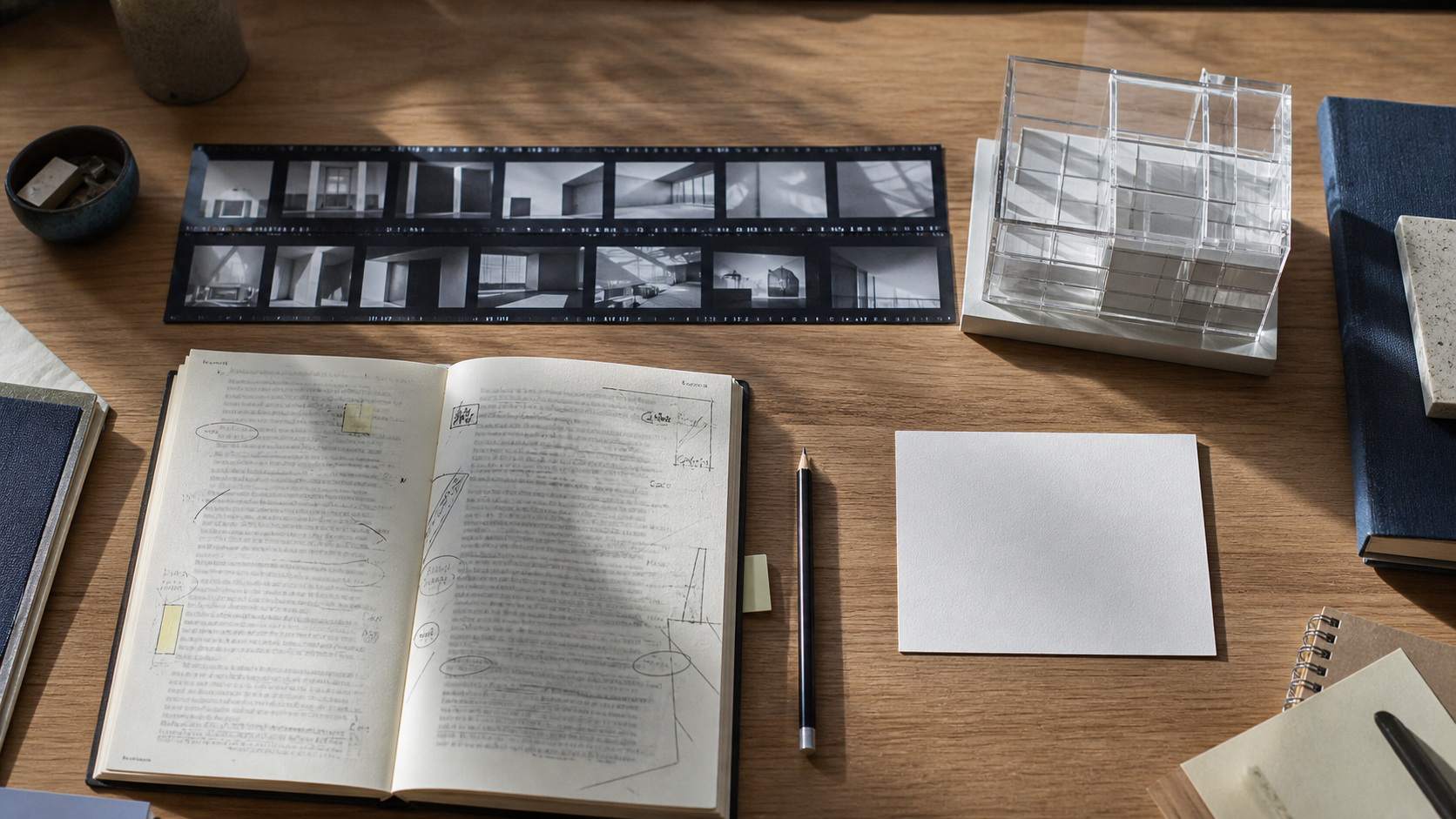
Open-Slot Shelf: The Experience Lens
Museums are shifting from curating objects to curating experiences. We can borrow that idea. Instead of asking what a story is *about*, we can ask what it *does* to our attention.
The Open-Slot Shelf is for a new idea that deserves a permanent space in our thinking. Today’s slot is for a concept I’m borrowing from the world of museum design: **Experience-First Curation**.
Professionals are moving away from simply presenting an object and its facts. Instead, they are designing exhibits that curate an entire experience, using what they call “narrative layering” to guide a visitor’s attention and emotional journey from one moment to the next. The focus isn't just on the artifact, but on the path the mind takes around it.
We can make this our own personal practice. Instead of consuming a film, book, or album as a checklist of events or facts, we can treat it as a curated experience. We can become curators of our own attention.
Here’s the noticing exercise:
**Look-For-This Note: Map the Path**
The next time you engage with a piece of culture, keep a second track running in your mind. Don’t just follow the plot; follow the path of your own focus.
- When did you feel a sense of expansion or wonder? What caused it—a specific camera movement, a line of dialogue, a shift in the music? - When did you feel tension or confinement? What architectural choice in a room or sentence structure in a paragraph made it so? - Where did the creator want your attention to go, and did it work?
By mapping the *experience* rather than just the information, we move from being passive viewers to active participants. We start to see the craft behind the curtain—not as a way to spoil the magic, but to understand how it’s made. It’s how we turn consumption into a practice, and a list of titles into a map of our own noticing.
No approved comments yet. The first reply sets the tone for everything that follows.